

16 Mar 2026
One of the most common questions homeowners ask before installing solar panels is simple: do they actually work in the UK weather? With grey skies, rain and shorter winter days, it’s understandable to wonder how much electricity solar panels really produce throughout the year.
The good news is that solar energy production in the UK is more reliable than many people expect. While solar panel output does change with the seasons, modern systems are designed to perform efficiently even in cloudy conditions and colder temperatures.
In this guide, we’ll explain how weather affects solar panels in the UK, what to expect from solar output in summer versus winter, and how seasonal variation impacts overall performance across the year.
How Solar Panels Generate Electricity (And Why UK Weather Isn’t a Dealbreaker)
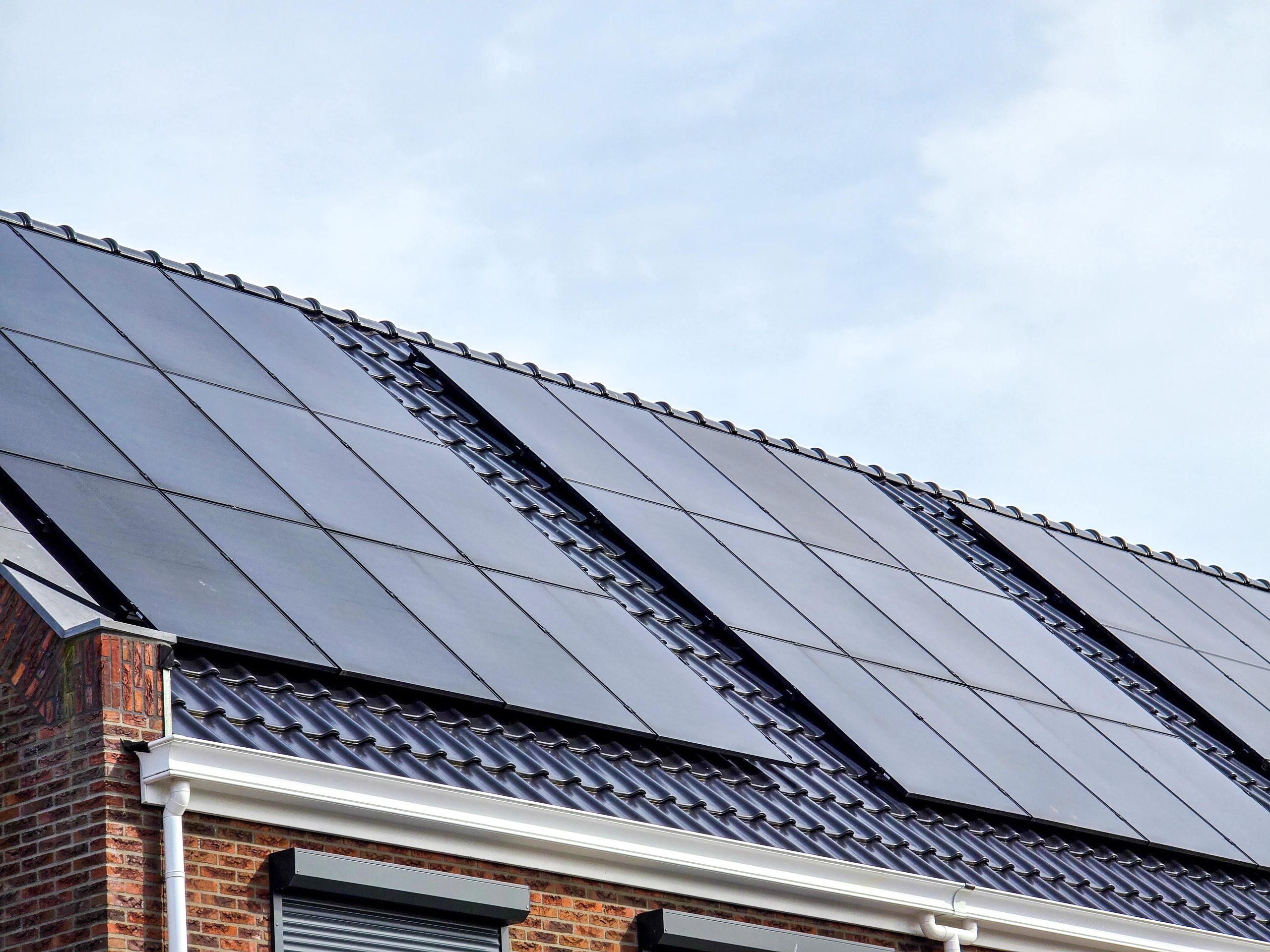
Solar panels generate electricity using daylight. When sunlight hits the photovoltaic (PV) cells inside a panel, it creates an electrical current. That means the weather doesn't need to be warm or blazing sunshine to function, they just need daylight.
This is why solar energy production UK‑wide continues throughout the year, even during colder months.
What makes the biggest difference to solar panel output in the UK isn’t temperature, but:
• The number of daylight hours
• The angle of the sun in the sky
• The intensity of available light
So while a bright July afternoon will naturally produce more electricity than a December morning, winter panels are still generating power, just at a lower rate due to reduced daylight.
Solar Output Seasonal Variation in the UK
The UK’s position in the northern hemisphere means daylight hours vary significantly across the year. In summer, days are long and the sun sits higher in the sky. In winter, daylight is shorter and the sun remains lower, reducing total daily generation.
For most homes, around 65–75% of annual solar energy production UK systems generate happens between March and September. The remaining 25–35% is typically produced during the autumn and winter months.
Solar Output Summer vs Winter UK
In June or July, panels benefit from:
- Up to 16+ hours of daylight
- A higher sun angle
- Stronger light intensity
In December and January:
- Daylight can drop below 8 hours
- The sun remains low in the sky
- Cloud cover is more frequent
However, lower winter output doesn’t mean systems stop working. It’s true that they generate less due to reduced daylight availability, but they can still contribute a meaningful amount to your home’s energy.
Solar Panels in Cloudy Weather UK
The UK isn’t known for year‑round sunshine, so it’s fair to ask: do solar panels still work on overcast days?
The short answer is yes.
Solar panels don’t require direct sunlight to generate electricity. Even in cloudy conditions, daylight still reaches the panels. This is known as diffuse light, and while it’s less intense than direct sunshine, it still allows your system to produce power.
On heavily overcast days, output may drop compared to clear conditions. However, solar panels in cloudy weather UK can still generate anywhere from 10–50% of their typical peak output, depending on cloud thickness and time of year.
It’s also worth noting that the UK receives a high number of bright but partially cloudy days, conditions that still support steady solar panel output UK levels across much of the year.
How to Maximise Solar Panel Efficiency in the UK
While UK weather plays a role in generation, system design and setup have a major impact on overall solar panel efficiency UK homeowners achieve.
If you’re installing solar, or already have panels, there are several ways to optimise solar panel output UK properties can produce across the year.
Roof Orientation
South‑facing roofs typically generate the highest annual output, as they receive the most consistent sunlight throughout the day. East and west-facing systems can still perform very well, often spreading generation more evenly across the morning and afternoon.
Roof Angle (Pitch)
In the UK, a roof pitch between 30–40 degrees is generally considered ideal for maximising year-round generation. However, most standard residential roofs fall within an efficient range, meaning adjustments aren’t usually necessary.
Avoiding Shading
Trees, chimneys, neighbouring buildings or dormers can reduce output if they cast shadows across panels. Even partial shading can affect performance, so careful system design and panel placement is essential.
Keeping Panels Clean
Solar panels are low maintenance, and rain naturally helps wash away dirt. However, heavy debris build-up, such as leaves or bird droppings, can reduce efficiency. Occasional checks ensure your system continues performing at its best.
Battery Storage
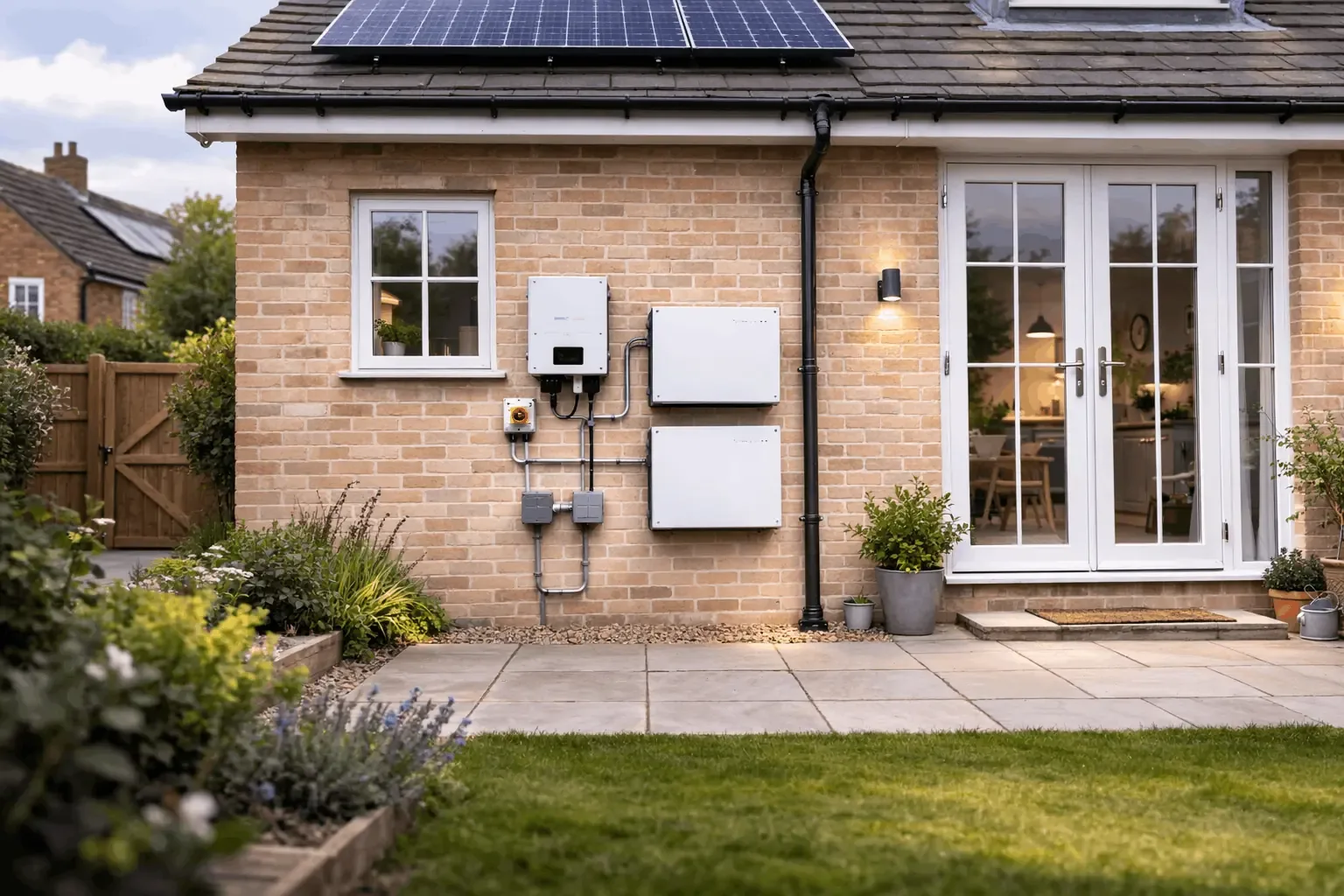
Because solar output seasonal variation means winter production is lower, battery storage can help balance things out. Storing excess electricity generated during sunnier months, or during the day, allows you to use more of your own energy when generation dips.
When properly designed and installed, solar systems in the UK can deliver strong long-term performance, even with changing weather patterns.
Is Solar Still Worth It in the UK Climate?
Given the seasonal changes and frequent cloud cover, it’s reasonable to question whether solar panels are truly worthwhile in the UK.
The reality is that while solar output seasonal variation is significant, annual performance is what really matters. Even though winter production is lower, longer summer days help balance the yearly total. Over 12 months, most systems generate a substantial proportion of a household’s electricity demand.
It’s also worth remembering that the UK may be cloudy at times, but it isn’t dark. Daylight hours, even on overcast days, still contribute to solar energy production UK homes rely on.
Modern panels are designed to capture diffuse light efficiently, meaning generation continues in typical British weather conditions.
Financially, the value of solar isn’t based on one season alone. It comes from:
- Reducing reliance on grid electricity
- Protecting against rising energy prices
- Increasing energy independence
Solar Panel Installation in Bolton & the North West
Weather patterns in the North West often raise questions about solar performance. With higher average rainfall and regular cloud cover, homeowners understandably want realistic expectations before investing.
The good news is that solar systems installed across Bolton and the wider North West continue to generate reliable annual output. While winter months are quieter, spring and summer provide strong production levels that balance the year overall.
At Bolton Electrical Services, every solar installation is designed around the property itself, taking into account roof orientation, pitch, shading and household energy usage. This ensures you achieve the best possible solar panel efficiency UK conditions allow, rather than relying on generic performance estimates.
If you’re considering solar and want an honest assessment of potential solar panel output UK properties in your area can achieve, a tailored survey is always the best place to start.
Solar Panels for UK Homes FAQs
Do solar panels work in winter in the UK?
Yes. Solar panels UK winter conditions don’t stop generation, they simply reduce it. Shorter daylight hours mean lower output compared to summer, but panels continue producing electricity throughout the season.
How much less electricity do solar panels produce in winter?
Winter output can be significantly lower than peak summer production due to reduced daylight and a lower sun angle. However, this is part of normal solar output seasonal variation, and stronger summer generation helps balance annual totals.
Do solar panels work on cloudy days in the UK?
Yes. Solar panels in cloudy weather UK conditions still generate electricity using diffuse daylight. Output may drop compared to clear skies, but it does not fall to zero.
Do solar panels work in the rain?
Rain itself does not stop generation. Solar panels in rain UK conditions still receive daylight unless cloud cover is extremely heavy. In fact, rainfall can help clean panels by washing away dust and debris.
What month do solar panels produce the most electricity in the UK?
June and July are typically the highest-producing months due to long daylight hours and stronger light intensity. This is why comparisons of solar output summer vs winter UK often show a noticeable difference.
How efficient are solar panels in the UK?
Modern systems maintain strong solar panel efficiency UK homeowners can rely on throughout the year. Performance varies by season, roof orientation and shading, but annual output remains consistent enough to make solar a viable energy solution across the country.


